Critical Minerals Agreements Must Prioritize Labor, Environmental and Human Rights.
The U.S. government is considering entering into a number of possible Critical Minerals Agreements (CMAs) with other countries throughout the world. Please sign the petition below urging that any new CMAs prioritize labor, environmental and human rights throughout the supply chain.
Spread the Word
Endorsing Organizations
National Organizations

















State or Local Organizations











































































More coming soon.
Click here to add your organization.
Frequently Asked Questions
What are Critical Minerals?
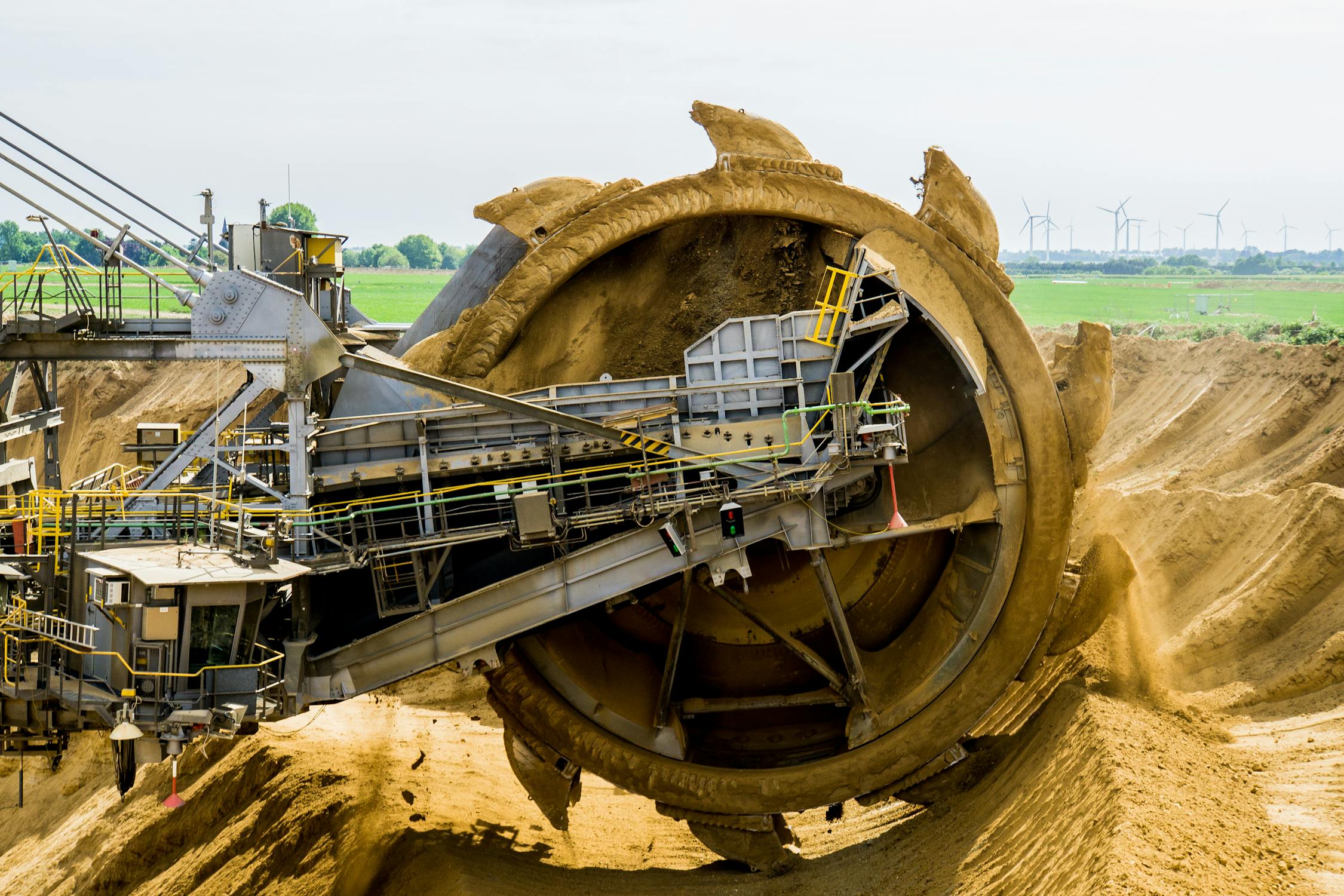
Critical minerals are raw materials needed for clean-energy technologies, but that aren’t always readily available.
Critical minerals include nickel, cobalt, lithium and others and are used in products like electric vehicles, long-storage batteries, microchips and solar panels.
What are “Critical Mineral Agreements”?
Critical Minerals Agreements (CMAs) are targeted trade agreements ideally designed to expand and strengthen critical minerals supply chains — although they don’t always work out that way.
CMAs typically offer foreign critical minerals suppliers preferred access to U.S. tax credits, financial assistance, technical assistance or other benefits.
Depending upon how they’re written, CMAs can help countries meet shared climate, job creation and sustainable development goals or they can end up accelerating exploitative models of resource extraction harmful to workers, communities and the environment.
What Are the Key Components of a Positive “Critical Minerals Agreement”?
To aid in climate solutions, job creation and sustainable development, any proposed Critical Minerals agreement must be negotiated in a fully transparent, participatory manner and include measures that:
- Prioritize “reduce, reuse and recycling” in critical minerals supply chains, instead of just new mining operations alone;
- Create good-paying jobs in value chain industries in both the United States and the regions in which critical minerals are being extracted or recovered;
- Establish strong, binding standards on labor rights, the environment, ownership transparency, indigenous rights and community consent throughout the supply chain; and
- Ensure standards are backed by swift-and-certain enforcement mechanisms coupled with meaningful, facility-specific penalties for rights violations.
Read the more-detailed recommendations of key environmental, faith, fair trade and other civil society groups online here.
U.S. initiatives aimed at improving critical minerals supply chains must do so in a manner that prioritizes meeting the climate, job creation, and sustainable development goals of both the United States and its trading partners, while also advancing a global race-to-the-top in human rights.
Resources
Report: U.S.-Indonesia Minerals Deal Threatens Sovereignty, Labor Rights, and the Environment
Report by Public Citizen, December 2025

Concerns Regarding Emerging U.S. Critical Minerals Deals
Joint Letter from 36 Organizations, December 2025
Sánchez, colleagues call for transparency in Congo critical minerals agreement
Press Release & Letter by Rep. Sánchez, August 2025
The Deadly Cost of Cobalt Mining in the Congo
Report by Public Citizen and Friends of the Congo, July 2025 (Update)
Faith Principles for Sourcing Transition Minerals
Inter-religious Working Group on Extractive Industries, September 2024
Promoting Supply Chain Resilience
Joint Comments from 39 Civil Society Organizations, May 2024
NICKEL INDUSTRY COSTS LIVES AND LIVELIHOODS IN INDONESIA’S LAST NOMADIC SEA TRIBE
Mighty Earth Report, April 2024

Nickel Unearthed: The Human and Climate Costs of Indonesia’s Nickel Industry
CRI Indonesia Report, January 2024
Concerns About a Potential Critical Minerals Agreement with Indonesia
Letter from 17 Civil Society Organizations, November 2023
 Critical Minerals Justice